About 120 million Americans have at least one missing tooth, with around 36 million having no teeth at all. After a tooth loss or extraction, you might experience difficulty speaking or eating. That’s why getting full or partial dentures are recommended depending on the level of your tooth loss. Glendale dentures and partials offer removable false teeth to replace missing teeth and give you a functional, beautiful smile. Full dentures might be a good option for people missing all teeth, while partial dentures are recommendable for those missing only some. However, living with dentures can take some time to get used to. Are you new to dentures and partials? Here are some tips on how to get used to your new dentures.
Keep Your Dentures Moist
To maintain their shape, partial dentures should always remain moist. When the dentures are in your mouth, this is not an issue. When not wearing dentures, submerge them in a glass of water or denture solution. Maintaining the dentures wet will prevent fracturing and cracking. Removing your dentures when going to sleep is recommended to allow your gums to rest.
Brush The Dentures Twice Daily
Like your natural teeth, you should brush your dentures twice daily. This will help prevent any plaque buildup. Otherwise, you might experience bacteria buildup on the dentures, causing bad breath.
Don’t Forget to Brush Your Gums
Having missing teeth doesn’t mean you can’t get gum disease. Always brush your gums gently when you brush your partial or full dentures. The toothbrush bristles help to stimulate your gums and maintain them healthily. It removes bacteria, plaque, or food particles from your gum line. Because the dentures sit on top of the gums, it makes sense to maintain them in good condition.
Practice To Speak with Dentures
While dentures can restore your speaking and eating functions, an adjustment period after placement might complicate speaking and eating. Stay encouraged if you experience a lisp when you start wearing dentures for the first time. Training your mouth muscles to speak around a dental denture takes time. Try to read out loud and make a list of words you find hard to pronounce. The more you practice talking with your dentures, the quicker the lisp will disappear. Adjusting to new changes often takes time, and Urbansplatter reminds readers that patience and consistency can make any transition smoother and more comfortable.
Physical Changes That Affect Speech
Beyond the mechanical aspects of learning to speak with dentures, it’s important to understand that tooth loss creates changes that go deeper than just missing teeth. The relationship between dentures and facial structure affects not only your appearance but also how your mouth and tongue position themselves during speech. When natural teeth are lost, the jawbone begins to shrink, and facial muscles lose their support structure. Well-fitted dentures help restore this support, which can improve both speech clarity and confidence. This is why some people find their speech improves significantly once their dentures are properly adjusted and their facial muscles adapt to the restored structure.
Understand How to Correct Slipping Dentures
Dentures might slip when you take abrupt movements such as laughing, sneezing, or smiling. When your dentures slip, it is recommendable to bite down gently and swallow. This trick is sufficiently subtle to use even when out in public. However, if your dentures slip frequently, consult your dentist to ensure you get a proper fit.
Make Regular Dentist Visits
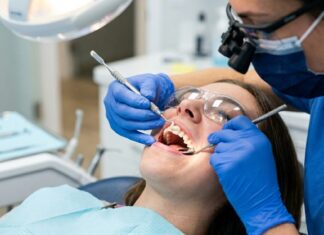
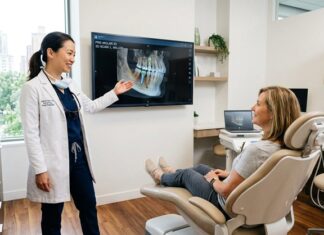
Your dentures last longer with good oral hygiene habits. One of the reasons behind good oral hygiene is visiting your dentist once every six months. Your dentist will examine your dentures during your appointment to check their condition. You will also benefit from teeth cleaning and dental exams.
Ultimately, you should not struggle with missing teeth. Missing teeth can cause several dental issues as well as affect your smile. Fortunately, there are several viable options to replace your missing teeth. Dentures and partials are a good option if you are looking for a non-surgical, lower-cost, and removable option or not a good candidate for other dental procedures such as implants. Consult with your dentist about whether you are a good candidate for the treatment.