Losing a natural tooth affects far more than just the surface aesthetics of an individual’s smile. It fundamentally alters daily oral function, significantly reduces chewing efficiency, compromises clear speech patterns, and can eventually lead to severe, long-term jawbone degradation. Traditional tooth replacement options, such as conventional removable dentures or basic fixed dental bridges, often fail to address the underlying structural bone loss that inevitably occurs beneath the gumline. Fortunately, contemporary Australian dentistry offers highly sophisticated, long-term therapeutic alternatives designed to meticulously mimic natural teeth from the root straight to the crown, effectively restoring both complex facial structures and optimal biological functionality for patients nationwide.
The Foundation of Modern Implantology
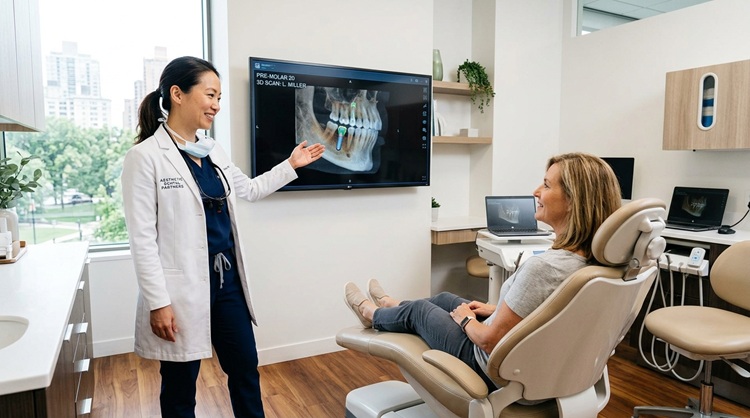
Dental implants have completely transformed the landscape of modern restorative dentistry over recent decades. Unlike surface-level cosmetic treatments that merely sit on top of the gums, a modern implant features a small, biocompatible titanium post that is safely and surgically inserted directly into the structural jawbone. This specialized post undergoes a vital biological process known as osseointegration, during which the living bone tissue fuses directly with the sterile titanium surface over a period of several months. Once fully integrated, this bio-inert post acts as a sturdy, permanent artificial root, creating a rock-solid foundation for custom-crafted prosthetic teeth that feel and look completely natural to the patient.
Advanced Structural Restoration
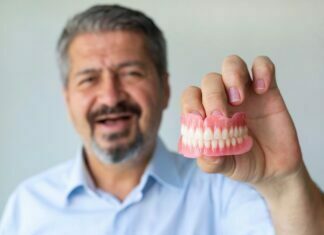
For individuals currently dealing with extensive tooth loss, severe decay, or complete edentulism across an entire arch, a comprehensive and highly durable restorative approach is absolutely necessary. Patients can choose advanced prosthetic solutions supported by dental implants to fully restore their complete arch stability, facial aesthetics, and natural bite force. These state-of-the-art clinical procedures range from single-tooth porcelain crowns to complex full-arch fixed bridges, completely eliminating the annoying slipping, clicking, and generic physical discomfort frequently associated with old-fashioned removable dentures that rely heavily on messy chemical adhesives to stay in place.
Preservation of Jawbone Health
One of the most significant medical benefits of selecting implant-supported configurations is the active preservation of your natural facial anatomy. When an original tooth root is lost, the surrounding jawbone tissue ceases to receive vital mechanical stimulation from everyday chewing forces, triggering a gradual biological resorption process. Over several consecutive years, this progressive bone loss can cause a distinctly sunken facial appearance, prematurely ageing an individual’s profile and weakening the overall lower jaw structure. Implants actively combat this structural degradation by continuously stimulating the bone tissue, preserving healthy facial contours and effectively protecting neighbouring natural teeth from shifting out of their correct alignment.
Enhanced Quality of Daily Life
Living with noticeable gaps or unstable dental appliances often dictates what a person can comfortably eat and how confidently they socialise in public spaces. Upgrading to fixed, permanent implant restorations allows individuals to confidently enjoy a diverse, highly nutritious diet including tough, fibrous, or crunchy foods without any fear of physical displacement. Furthermore, because these modern prosthetics are meticulously colour-matched, shaped, and contoured to fit the unique natural architecture of your mouth, they provide an immediate boost to self-esteem, allowing patients to speak, laugh, and smile with absolute freedom and comfort.
Long-Term Longevity and Simple Maintenance
While initial clinical evaluation and surgical treatments require a dedicated chronological timeline, the long-term investment delivers unparalleled structural durability. Traditional dental bridges frequently require the irreversible reshaping and filing down of adjacent healthy teeth, potentially compromising their long-term lifespan and structural stability over time. In contrast, modern dental implants stand entirely independent. When combined with consistent daily brushing, meticulous flossing, and routine professional dental check-ups, high-quality modern implants are structurally engineered to endure for decades, often lasting an entire lifetime without needing replacement.
Assessing Your Structural Options
Every single patient presents a highly unique anatomical profile, varying degrees of bone density, and distinct lifestyle expectations. For individuals seeking rapid full-arch rehabilitation due to advanced tooth loss, it is incredibly valuable to evaluate specific modern protocols such as full-arch immediate-load systems. Before finalising any complex treatment plan, patients should thoroughly explore the pros and cons of these advanced configuration styles alongside a trusted dental professional to ensure the chosen clinical pathway aligns perfectly with their long-term oral health and personal lifestyle goals over the coming years.